

Energy, power and petrochemical monitoring solutions
1. Industry security needs and pain points
Energy, power, and petrochemical facilities have many locations, long lines, and wide coverage. A large number of sites are located in remote locations, and involve strong electromagnetic environments and explosion-proof requirements. They are technically difficult areas in security construction:
- Sites are scattered and remote: Substations, pole towers, and valve chambers are widely distributed, so manual inspections are costly and infrequent.
- Strong electromagnetic interference: The electromagnetic environment near high-voltage equipment is complex, which requires high equipment anti-interference and transmission reliability.
- Strict explosion-proof requirements: Oil and gas stations and hazardous areas must use special equipment that meets the explosion-proof level.
- Heavy safety responsibility: Inadvertent entry into live intervals and illegal operations may cause serious accidents and require remote visual supervision.
2. Construction Goals
- The station perimeter, equipment areas, entrances and exits, and control rooms are fully covered, and key equipment is visible.
- Achieve unattended and remote inspection, reducing on-site labor investment.
- Perimeter intrusion and illegal intrusion automatically alarm and link video recording and broadcasting.
- The entire maintenance process is visible, supporting the implementation of safety procedures and subsequent traceability.
3. Overall system architecture
- Front-end collection layer: Perimeter infrared machine, equipment area dome machine, control room hemisphere, entrance and exit license plate recognition machine, special explosion-proof model for explosion-proof areas, field point solar powered type.
- network transport layer: Optical fiber is given priority, remote points use wireless private networks or 4G/5G backhaul; strong electromagnetic areas use optical fiber to resist interference.
- storage management layer: Station-end local storage + centralized retrieval in the center, double backup of key recordings.
- Application linkage layer: Linked with perimeter alarm, access control, fire protection, broadcasting, and SCADA systems to support remote inspection and mobile viewing.
4. Key point layout and equipment selection
| point | Recommended models | Key parameters | Monitoring target |
|---|---|---|---|
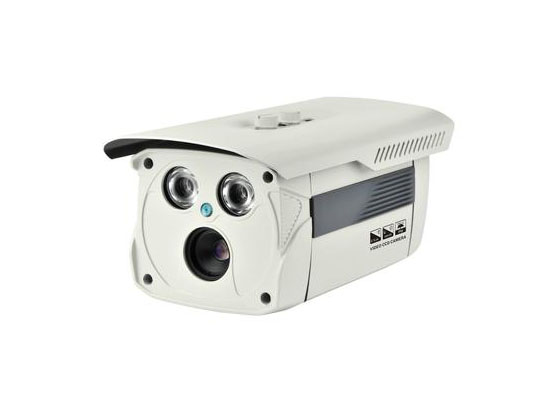
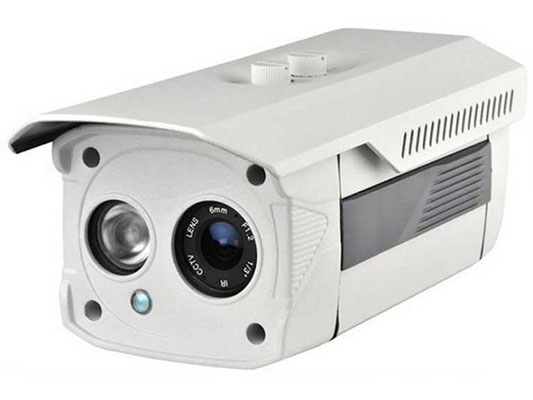
| Station perimeter | Infrared waterproof camera + electronic fence | Long-distance infrared, anti-tamper alarm | Overpass invasion, foreign object invasion |
| Main transformer/equipment area | HD network dome machine | Large zoom, anti-electromagnetic interference | Equipment appearance, leakage and abnormalities |
| High voltage room/distribution room | Wide dynamic dome camera | Anti-interference, low illumination | Wrong entry interval, operation monitoring |
| Control room/machine room | dome camera | Wide angle, 24 hours video | Duty discipline, entry and exit management |
| Oil and gas process area | Explosion-proof camera | Explosion-proof level matching, corrosion resistance | Safety in process areas and hot work |
| Outdoor pole tower/valve chamber | solar powered camera | Low power consumption, wireless backhaul | Remote inspection and prevention of external damage |
5. Core functions and business value
- unattended: Remote visualization replaces routine inspections, significantly reducing labor and transportation costs.
- perimeter defense: The automatic intrusion alarm is linked with broadcasting and video recording to prevent risks before they occur.
- Homework supervision: The entire maintenance and switching operation can be visualized, violations can be intervened in time, and accidents can be fully traced.
- Equipment care: The appearance, oil level and leakage of the equipment can be remotely viewed, and abnormalities can be detected and dealt with early.
- environmental adaptation: Anti-electromagnetic, explosion-proof, wide-temperature and solar power supply solutions to meet harsh on-site conditions.
6. Implement delivery and service guarantee
- The on-site investigation confirms the explosion-proof zoning, electromagnetic intensity and power and network conditions, and the model is selected accordingly.
- Handle work tickets strictly in accordance with power safety regulations and complete relevant operations within the power outage window.
- Complete the joint debugging with perimeter alarm, fire protection, and SCADA.
- Train operation and maintenance personnel on remote inspection and emergency response procedures.
- Provide quality assurance, spare parts and regular inspections, and support station expansion, renovation and upgrades.
7. Typical configuration suggestions
Recommendations for a conventional 110kV substation: one infrared machine every 50 meters on the perimeter and an electronic fence, 4-8 billiard machines in the main transformer area and equipment area, 2-4 hemispheres each in the high-voltage room and distribution room, 2 control rooms, and 1-2 entrances and exits. Storage is calculated as 30-90 days, and it is recommended to extend it in important operating areas. For locations without mains power in the wild, it is recommended to use a solar + battery power supply solution, and configure a low-power consumption model with the ability to resume transmission after disconnection to ensure that the video is not lost when the network fluctuates.
Related Products
-aa98b3df.jpg)
-a188c327.jpg)
Consult about this solution
Leave your requirement and we will contact you soon.