
Low-light imaging evolves: choosing between starlight sensors and full-colour night vision
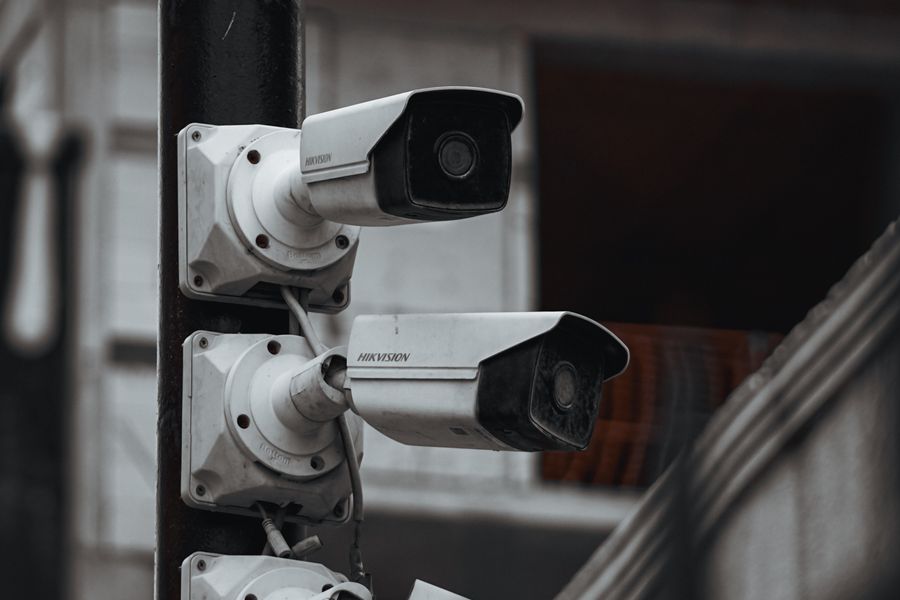
Daytime footage satisfies almost everyone; night-time footage is where systems separate. Terms such as "starlight" and "full-colour night vision" describe low-light performance, which is decided by a set of mutually constraining parameters.
The first is sensor size and pixel pitch. At the same pixel count, a larger sensor with larger individual pixels gathers more light and controls noise better — which is why large-sensor models of equal resolution cost more. The second is aperture: F1.6 against F2.0 looks like less than a stop on paper, but the difference at night is obvious.
Then come illumination and ISP tuning. Infrared illumination is mature and inexpensive, but the picture loses colour, which hurts when judging clothing or vehicle colour. White-light illumination delivers full colour but can cause light pollution and nuisance in residential or hospital surroundings. As for the ISP, 3D noise reduction, wide dynamic range and gain strategy determine how much two vendors can differ using the very same sensor — the usual reason two cameras with identical specifications perform differently.
A practical approach: decide first what must be identifiable at night — a silhouette, a face, or a colour — then prioritise low-light sensitivity or full colour and wide dynamic range accordingly. Finally, compare candidates in a real night scene rather than a dark-room demo.