
The video foundation of a smart city: fusing data matters more than adding cameras
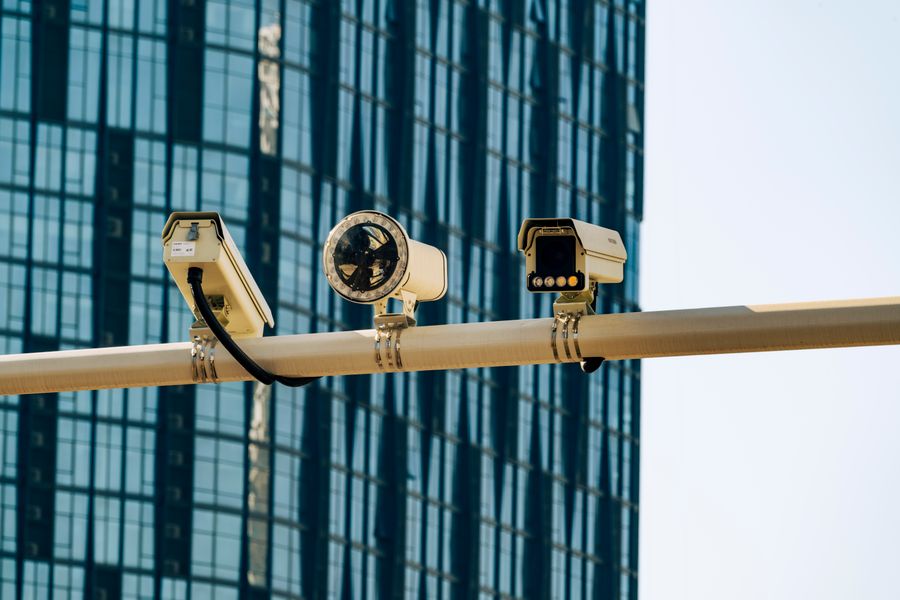
Early city surveillance programmes measured success by camera count: if you could see everything, you had done the job. Beyond a certain density the returns diminish. There are more pictures than anyone can watch, and the signal worth acting on gets lost among hours of ordinary footage.
That is why recent thinking has shifted toward a video foundation combined with data fusion. Video is no longer a system on its own but part of the city's sensing layer alongside vehicle recognition, access control, fire safety and environmental sensors. Only when several sources at the same moment corroborate one another does "someone entered" become "someone entered a restricted area without authorisation".
The implications for implementation change accordingly: camera positions should follow business scenarios rather than an even spread by area; network and storage should be tiered by data temperature, with hot data stored near the edge and long-tail data archived centrally; and interfaces should be kept standardised so integration does not mean rebuilding later.
For integrators, the competitive question is no longer how many devices can be installed, but whether the devices and data already in place can be put to work and made to earn their keep again.