
Campus security moves from full coverage to early warning
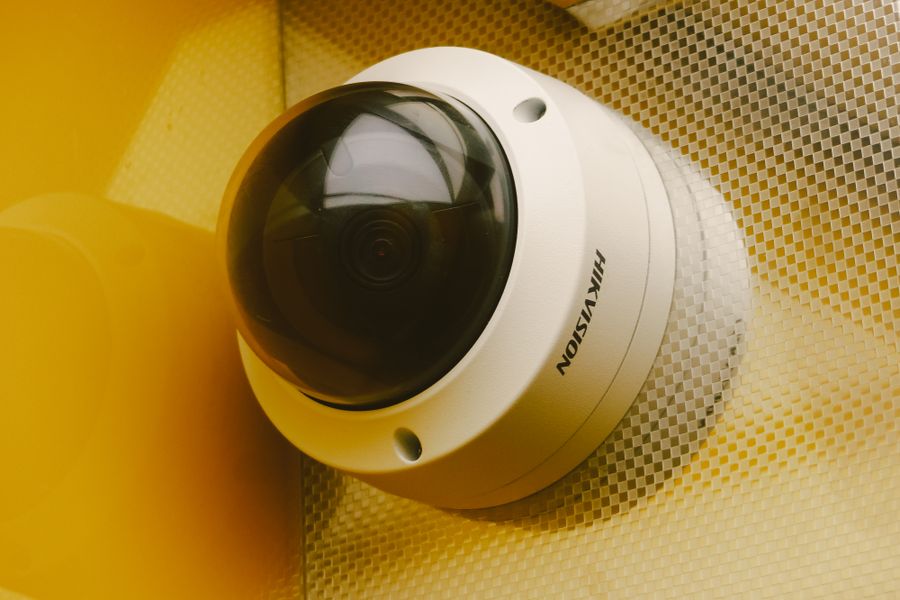
Campus security has been upgraded in several waves, from cameras at the main gates to coverage of teaching buildings, corridors and sports areas. Once coverage approaches saturation, however, administrators find the real difficulty is who watches and how things get handled.
The current wave focuses on behavioural analytics and a closed response loop. Detecting climbing over the perimeter; raising intrusion alerts near water features and rooftop areas; recognising prolonged gathering or a fall in corridors and stairwells; pushing results automatically to the duty room terminal and to staff phones, with the handling process recorded.
Because campuses hold data about minors, designs must be more careful. Coverage should be strictly confined to public areas, with no cameras in dormitories or washrooms. Access rights should be minimised by role. Any use of face-related capability should follow rules set in advance and be clearly explained.
Schools also have limited technical staff, so ease of use often matters more than the number of algorithms. One-click review, quick export and automatic fault notification are what keep a system in service over the long run.