
Licence plate recognition across scenarios: car parks and city roads are different problems
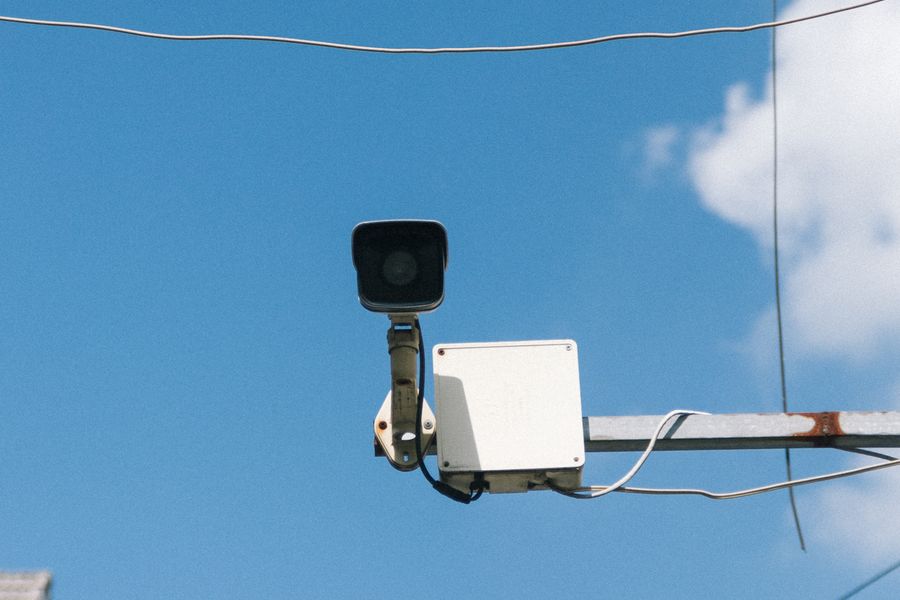
Licence plate recognition is one of the most mature applications in security, yet lifting a car park design straight onto a city road usually disappoints. The two scenarios place different demands on the algorithm.
At an entrance or exit, the key measures are throughput and accuracy. Vehicles move slowly at fairly predictable angles, so the difficulties are insufficient illumination at night, soiled plates and missed captures when vehicles follow too closely; the design emphasis falls on consistent loop or video triggering and on the angle and intensity of the fill light. On a city road the system faces high speed, backlight and lamp glare, simultaneous recognition across lanes, and degraded imaging in rain or snow — which puts a premium on wide dynamic range, shutter strategy and algorithmic robustness.
One aspect is often overlooked: the value of plate recognition is not the recorded number itself but its integration with watch lists, access rules and billing. However accurate recognition is, a stale whitelist or a barrier that answers half a second late still spoils the experience.
Write the scenario type, speed range and typical lighting into the design brief, and choose focal length, shutter strategy and trigger method accordingly — rather than deciding on pixel count alone.